Introduction
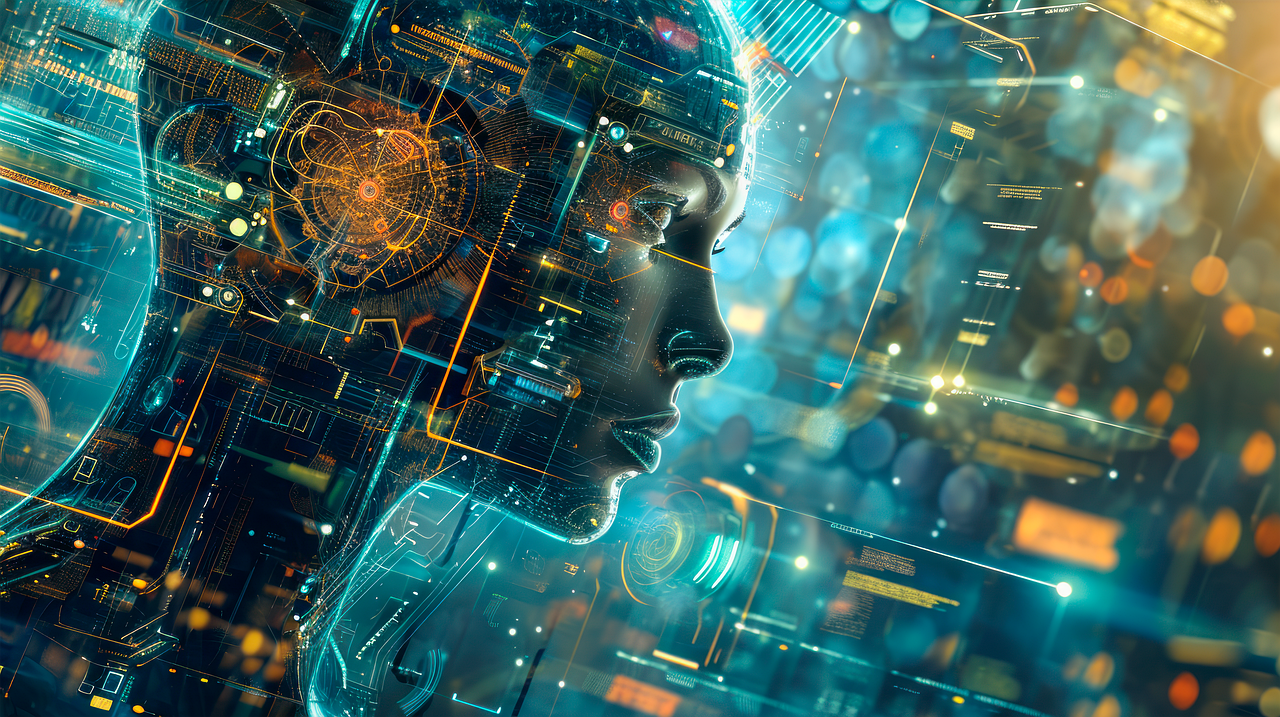
The synergy between Machine Learning (ML) and Robotics is revolutionizing the modern world. From autonomous vehicles to smart manufacturing systems, machine learning algorithms are empowering robots to become more intelligent, adaptable, and efficient. This blog explores how machine learning is driving the evolution of robotics and what the future holds for this dynamic duo.
The Intersection of Machine Learning and Robotics
Robotics involves designing machines that can perform tasks autonomously or with minimal human intervention. Machine learning, a subset of artificial intelligence (AI), enables these machines to learn from data, improve over time, and make intelligent decisions without explicit programming. The integration of ML into robotics has unlocked new levels of automation and functionality.
Key Ways Machine Learning is Transforming Robotics
1. Enhanced Perception and Sensing
Machine learning algorithms process vast amounts of sensory data, allowing robots to better perceive and understand their surroundings. For example:
- 📸 Computer Vision: Robots equipped with ML models can identify objects, recognize faces, and interpret visual information.
- 🗣️ Natural Language Processing (NLP): Voice-activated robots can understand and respond to human language.
- 🌐 Sensor Fusion: ML helps in combining data from multiple sensors to improve accuracy in navigation and object detection.
2. Adaptive Learning and Decision-Making
Traditional robots follow predefined instructions. However, ML-powered robots can adapt to new situations by learning from previous experiences. For instance:
- 🚁 Autonomous drones can adjust flight paths based on real-time obstacles.
- 🏭 Industrial robots can optimize production processes by analyzing historical performance data.
3. Robotic Process Automation (RPA)
RPA, enhanced by ML, allows robots to perform repetitive, rule-based tasks efficiently. This is transforming industries like finance, healthcare, and manufacturing by automating processes such as:
- Data entry
- Quality control
- Inventory management
4. Personalized Human-Robot Interaction
ML enables robots to learn from individual user preferences, creating personalized experiences. For example, personal assistant robots can adapt to a user’s habits, making interactions more natural and effective.
5. Predictive Maintenance
In manufacturing, ML algorithms predict when a robot might fail or require maintenance. This proactive approach reduces downtime and ensures smooth operations.
Real-World Applications of ML in Robotics
- 🚗 Autonomous Vehicles: Self-driving cars use ML to process data from cameras, sensors, and GPS to navigate safely.
- 🏥 Healthcare Robotics: Surgical robots leverage ML for precision tasks, and rehabilitation robots adapt to patient recovery needs.
- 🌾 Agricultural Robots: ML-driven machines monitor crop health, optimize irrigation, and harvest efficiently.
- 🏬 Warehouse Automation: Robots powered by ML manage inventory, sort products, and streamline supply chains.
Challenges and Future Prospects
While ML is transforming robotics, challenges like data quality, ethical concerns, and the need for extensive training data persist. However, advancements in deep learning, edge computing, and quantum computing promise to overcome these obstacles.
In the future, we can expect:
- 🤝 More intuitive human-robot collaboration.
- 🤖 Smarter autonomous systems with minimal supervision.
- ❤️ Enhanced emotional intelligence in service robots.
Conclusion
Machine learning is undeniably shaping the future of robotics, pushing the boundaries of what machines can achieve. As technology continues to evolve, the collaboration between ML and robotics will redefine industries, improve lives, and create smarter, more adaptable machines. The future is not just automated; it’s intelligent and transformative.