
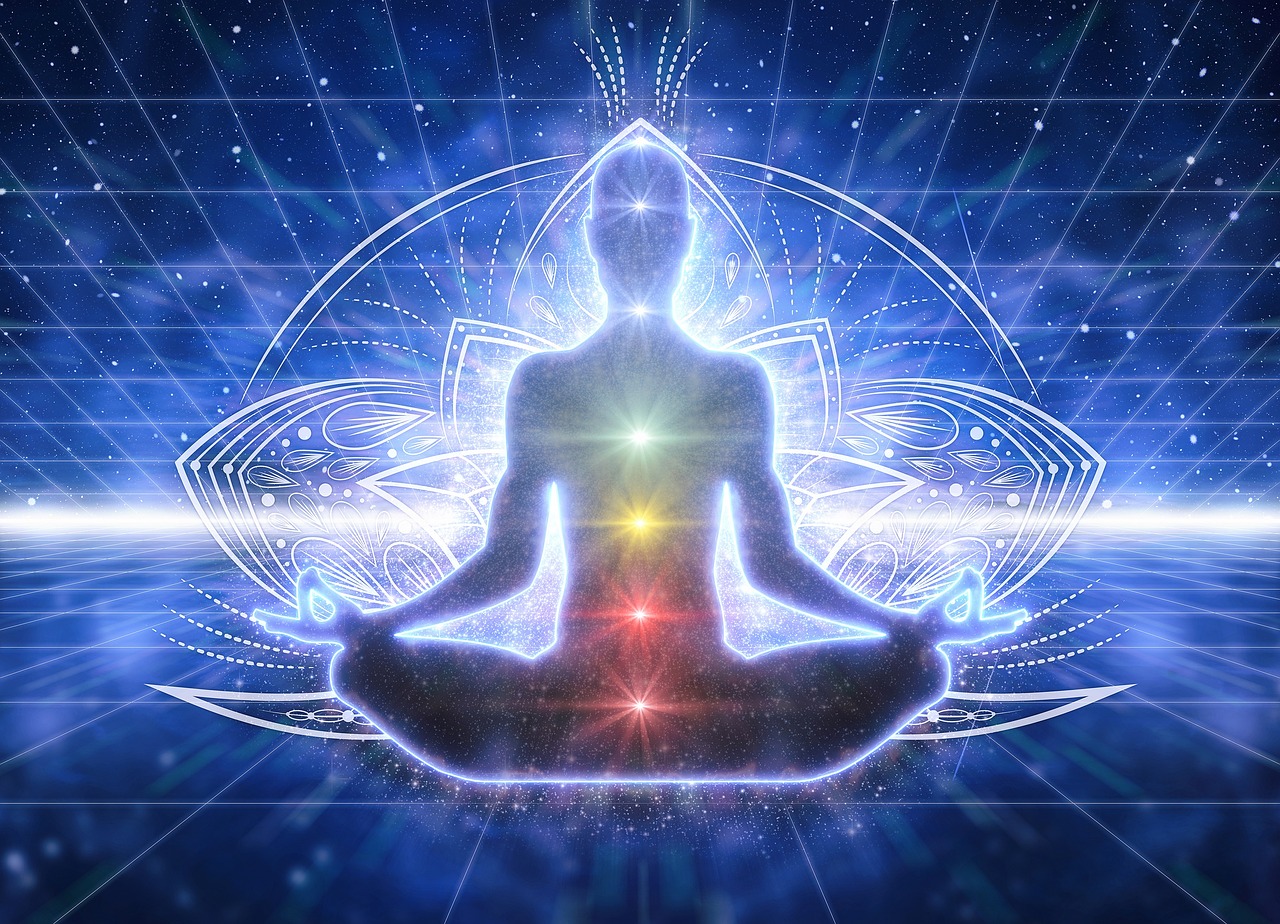
Yoga, originating from ancient wisdom and philosophy, embodies the profound concept of union—union of the body, mind, and spirit. Rooted in its Sanskrit meaning “to yoke” or “to unite,” yoga serves as a transformative technique aimed at achieving harmony and self-enlightenment.
Understanding Yoga’s Core Principles
Yoga is not merely a physical exercise; it is a pathway to attain moksha, kaivalya—freedom and liberation. It encompasses various philosophical principles that guide practitioners towards a balanced and enlightened life.
In the Bhagavad Gita, Lord Krishna defines yoga as samatva, a state of equilibrium. It is the balance achieved not only within the body and mind but also within one’s emotions, thoughts, intellect, and behavior. Yoga teaches us to harmonize these aspects to attain inner peace and stability.
Lord Krishna further elaborates that yoga is kaushalam, skillfulness in action. It emphasizes performing actions with skill and efficiency, contributing positively to our personal evolution and overall well-being—both physically and mentally.
According to Patanjali’s Yoga Sutras, yoga is the discipline of controlling the fluctuations of the mind (chitta vrittis). The mind, with its constant stream of thoughts, emotions, and conditioning, can be challenging to harness. Yoga provides techniques to calm and control the mind, leading to clarity and inner peace.
The Practical Steps of Yoga
To embark on the journey of yoga and experience its transformative power, practitioners begin with foundational practices:
– Asana: Physical postures designed to strengthen the body, improve flexibility, and prepare the mind for meditation.
– Pranayama: Breath control exercises that enhance vitality, mental clarity, and overall well-being.
– Dharana: Concentration practices to cultivate focused attention, preparing the mind for meditation.
– Dhyana: Meditation techniques aimed at achieving deep mental absorption and spiritual insight.
Embracing Yoga as a Way of Life
Yoga is more than a set of exercises; it is a holistic lifestyle that promotes physical health, mental clarity, and spiritual growth. By integrating yoga into daily life, individuals can cultivate a balanced state of being—physically fit, emotionally stable, mentally focused, and spiritually awakened.
As we delve deeper into the practice of yoga, let us embark on this journey together to discover the profound union of body, mind, and spirit. Embrace yoga, embrace balance, and embrace the path to self-enlightenment.
Namaste 🙏



Thank you ma’am
Ma’am do you have any courses of yoga?? Please share ma’am